
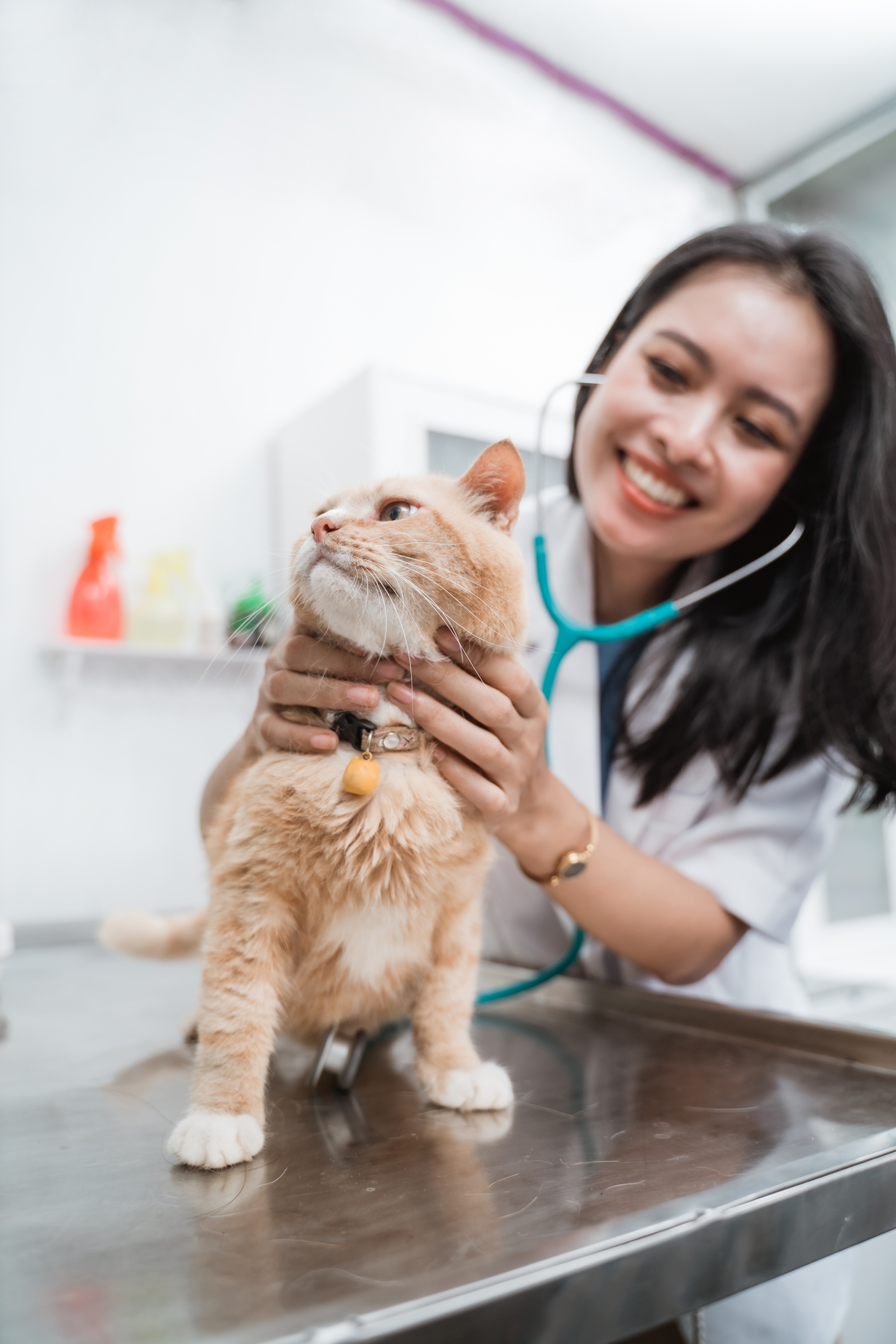
Cats are professionals at hiding pain. It's an evolutionary trait — in the wild, looking sick makes you a target. Which means by the time you notice something's wrong, your cat has often been dealing with it quietly for days. Vomiting is one of the few visible windows into what's actually happening inside. This guide decodes it.
🤢 Vomiting — the actual decoder
Not all vomiting is equal. The frequency, colour, and timing all tell a different story. Use this table as a quick reference, then read the detail below.
| Colour / Type | Likely Meaning | Action |
|---|---|---|
| White foam | Empty stomach, mild gastric irritation | Monitor — vet if frequent |
| Yellow / bile | Empty stomach for too long (Bilious Vomiting Syndrome), or liver/pancreas issue if frequent | Feed smaller, more frequent meals; vet if it recurs |
| Clear liquid | Drinking too fast, or regurgitation | Usually harmless if rare |
| Brown, undigested food | Eating too fast ("scarf and barf"), or food intolerance | Try a slow-feeder bowl; vet if persistent |
| Green | Bile mixed with small intestine contents — or your cat ate a plant | Vet visit unless you're sure it's a houseplant |
| Red or pink (blood) | Fresh bleeding — mouth, throat, oesophagus, or stomach | 🚨 Call your vet immediately |
| Black, "coffee-ground" | Digested blood — bleeding further down the digestive tract | 🚨 Emergency — vet immediately |
Vomiting vs regurgitation — the distinction your vet will ask about
Vomiting is active — abdominal heaving, retching, effort. Regurgitation is passive — food comes back up effortlessly, often still in tube-shaped clumps, usually right after eating. If your cat eats too fast and immediately "brings it back up" with no heaving, that's regurgitation, not vomiting — and it points to different causes (esophageal issues, eating speed) than true vomiting does.
How much is too much?
- Once, then back to normal: usually fine — monitor, don't panic
- More than 2–3 times in 24 hours: call your vet that day
- Weekly or more for several weeks: this is chronic vomiting and needs a proper diagnostic work-up — it is never "just normal for this cat"
- Hairballs: if it's mostly fur, roughly weekly, and your cat is otherwise normal — that's a hairball, not a health crisis
🚨 Call a vet immediately if you see:
- Any blood — bright red, pink, or coffee-ground black
- Vomiting more than 2–3 times in 24 hours
- Lethargy, hiding, or a rigid/painful abdomen
- Known ingestion of a toy, string, lily, or any toxin
- Retching with nothing coming up (possible blockage)
- A pre-existing condition like kidney disease or diabetes
🦟 Fleas, Ticks & Skin Issues
Bangalore's humid spells (especially the run-up to and during monsoon) are flea and tick season for cats too — not just dogs. Cats groom obsessively, which means flea dirt and bites often go unnoticed until there's a visible skin reaction.
Why one treatment is never enough
Fleas have a roughly 21-day life cycle — egg, larva, pupa, adult. A single treatment kills the adults you can see, but eggs and pupae already in your home's carpets and your cat's bedding will keep hatching for weeks. This is why pet parents treat once, see fleas "come back," and assume the product failed — when really, the cycle just wasn't broken.
What's actually used in India
- Spot-on treatments (Frontline, Bravecto, Revolution) — applied to the skin at the back of the neck, effective for 4–12 weeks depending on the product
- Oral treatments — less common for cats than dogs, but available via prescription
- Flea combs — useful for monitoring, not a standalone treatment
Important: Never use a dog flea product on a cat. Many contain permethrin, which is toxic to cats even in small amounts. Always check the label says "for cats" specifically.
🐾 Mylopaws Dermacare treats cats too
Our Complete Tick & Flea Elimination Therapy isn't just for dogs — we treat cats with the same careful, low-stress approach. Many cat parents don't realise this service exists for cats specifically, since most "pet grooming" marketing defaults to dogs.
✂️ Cat Grooming — Why It's Different From Dog Grooming
Here's something most Bangalore pet-care businesses won't tell you: most groomers who advertise "pet grooming" are set up almost entirely for dogs. The equipment, the handling technique, even the staff's comfort level — it's a different skill set for cats, and a lot of places simply aren't equipped for it.
The temperament difference
Cats don't respond to grooming the way dogs do. They need a calmer pace, more reading of body language, and — critically — staff who recognise the difference between a cat that's annoyed and a cat that's about to genuinely defend itself. A rushed or forceful approach doesn't just stress the cat; it can cause an actual injury to the handler.
When grooming becomes medical, not cosmetic
Matted fur isn't just unsightly — in long-haired cats, severe matting can pull on the skin, trap moisture, and create the exact conditions for a skin infection underneath. If you're noticing mats that won't comb out, that's no longer a "nice to have" grooming session; it's a skin health intervention.
🏠 Mylopaws Dermacare comes to your cat — not the other way around
Cats are notoriously bad travellers. Most genuinely hate the carrier, the car, and an unfamiliar room. Mylopaws Dermacare offers home-visit grooming and skin therapy — your cat stays in their own space, and our team brings the equipment and expertise to you.
🐈 Litter Box Red Flags
A sudden change in litter box behaviour is one of the most reliable early warning signs in cats — and one of the most ignored.
- Straining or vocalising while urinating: can indicate a urinary tract infection or, in male cats especially, a urinary blockage — this is an emergency, not a wait-and-see situation
- Avoiding the litter box entirely: often means the box itself (location, cleanliness, litter type) has changed, but can also signal pain associated with using it
- Going outside the box suddenly, after years of normal use: investigate medical causes before assuming it's "behavioural"
- Very small or very large urine clumps, or blood-tinged urine: vet visit, not optional
🏥 The Bangalore Cat Parent's Emergency Contact Card
Keep these saved in your phone before you need them:
- Your regular vet's after-hours number — many Bangalore clinics have one even if it's not advertised; call and ask
- CUPA (Compassion Unlimited Plus Action) — animal hospital and emergency services
- Cessna Lifeline Veterinary Hospital — 24/7 emergency care in Bangalore
- Your nearest BBMP-listed government veterinary hospital — for urgent stabilisation if a private vet isn't reachable immediately
Always confirm a clinic's current hours and emergency availability directly — listings change.
🐾 Need a hands-on visit, not just advice?
Mylopaws Dermacare treats cats for fleas, skin issues, and grooming — at your home, on your cat's schedule.
💬 WhatsApp Mylopaws Dermacare❓ FAQ — Cat Health in Bangalore
Why is my cat vomiting white foam?
White foam usually means an empty or mildly irritated stomach — common, and usually harmless if it's occasional. If it happens repeatedly, it can point to gastritis or an underlying digestive issue and is worth a vet visit.
Why is my cat vomiting after eating?
This is often regurgitation from eating too fast rather than true vomiting — try a slow-feeder bowl. If it happens with every meal or your cat seems uncomfortable, it could indicate a food intolerance or esophageal issue and needs a vet check.
What is the best flea treatment for cats in India?
Spot-on treatments like Frontline, Bravecto, or Revolution (cat-specific formulations) are most commonly used and prescribed by vets in India. Never use a dog flea product on a cat — many contain ingredients toxic to felines.
How often should you take a cat to the groomer?
Short-haired cats often don't need professional grooming at all beyond regular brushing at home. Long-haired cats benefit from a grooming session every 6–8 weeks to prevent matting, more often if they're prone to skin issues.
When should I worry about my cat vomiting?
Worry if it happens more than 2–3 times in 24 hours, contains any blood, is accompanied by lethargy or appetite loss, or becomes a weekly pattern. A single, isolated vomit in an otherwise normal cat is rarely an emergency.
Do cats need flea treatment even if they stay indoors?
Yes. Fleas travel in on you, on other pets, or through open windows and balconies. Indoor cats in Bangalore apartments still need protection, especially during humid months.
The Bottom Line
Cats won't tell you something's wrong in any way you'd recognise from a dog. No limping, no obvious whining — just small, easy-to-miss changes. Vomiting colour, litter box habits, and how your cat tolerates grooming are three of the most honest signals you have. Pay attention to the pattern, not just the single incident, and you'll catch most problems early enough to matter.
If your cat needs a hands-on check for fleas, skin issues, or a grooming session done gently, at home — Mylopaws Dermacare is built for exactly this.